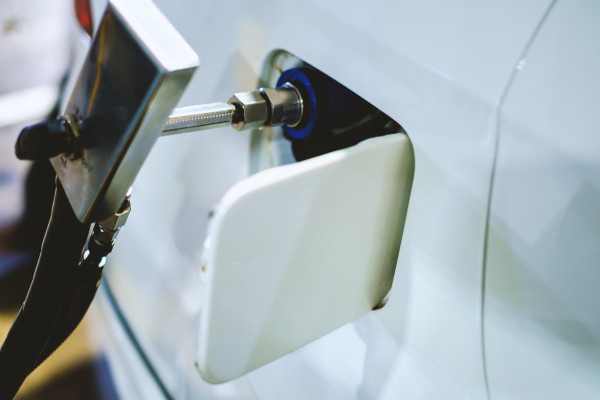

Bio-CNG Basics
The transportation system is the basement of all the sectors. In the process of development of any country demanding for more and more fuels. And the traditional fuel is creating a lot of pollution. So this is the time to switch on the safe and sustainable alternative for diesel and petrol. Bio-CNG is unlike the other renewable energy sources. As it is created from the biomass material. Biomass can be directly converted into Gases or liquids also. And this is the safe option so that we can not only reduce our waste but also create the best and clean fuel.
As in any country most part of the fuel comes from the liquidic fuel such as petroleum and diesel. That is not a polluted fuel but also very costly. CNG is considered as a best and good option of safe nature. BioCNG is the best and popular alternative to liquid fuel at a very low price. One report of 2013 says that approximately 18.09 million vehicles are using natural gas in the world. Some of the countries are already using the BioGas at a high level. The whole world is taking various steps to promote the use of biofuel.
Current Measurement of Compressed natural Gas (CNG) Uses
Compressed Natural Gas is the product of Natural BioMass. Other fuels release so much harmful sustain. This is the common reason people want to use a high thermal efficiency.
BioCNG is rich in methane gas and is well known as biomethane. We produce BioCNG from BioMass material. We do a typical bio-CNG station that comprises a purification unit. And passes that from a multistage compressor and from the purification process also.
Bio CNG can be produced by anaerobic digestion with anaerobic bacteria, which digest material inside a closed system, or fermentation of biodegradable materials.
What We do
Disposing waste
With a positive attitude toward Public health and Nature. There is a need for animal and other waste in an appropriate manner.
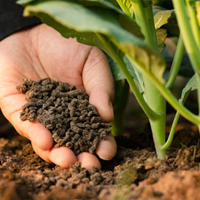
Organic Fertilizer
Produced Proven Scientific, Anaerobic Digestion method Organic fertilizer is ideal for soil, Creates a sustaining environment.
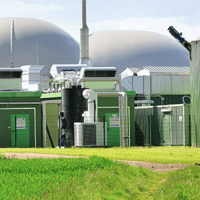
Produce Bio-Gas
Less emission of the greenhouse gasses methane, CO2 and nitrous oxide. It helps to reduce the amount of waste going to landfills

Saving Earth
We want to create a world where the environment is totally protected. Make our planet a Greener and cleaner place to live.
Availability of Cattle dung/ Non-woody feed materials/ Other Feed-stocks
IBPL production unit is set up to motivate the idea of Sustainable development and a safe world.
In the production process ,daily 215 tons waste will be added such as Cattle dung, Segregated Municipal Solid Waste or fruit, vegetable & other organic waste which requires no segregation. The proposed scheme will ensure a stable microbial reaction and a smooth functioning of the digester performance. And the quantity of the addition will be adjusted as per the availability.
CBG- COMPRESSED BIO-GAS
Biogas typically refers to a mixture of different gases produced by the breakdown of organic matter in the absence of o2. Biogas can be produced from raw materials such as Poultry Waste, Dairy Waste, agricultural waste, Fruit-Vegetable market waste, municipal waste, sewage, green waste or food waste.
It is a renewable energy source, safe to use and easy to produce.
Biogas has a combination of primarily methane (CH4) and carbon dioxide (CO2) and may have small amounts of Butane, hydrogen sulphide (H2S), moisture and siloxanes. The gases methane, hydrogen, and carbon monoxide (CO) can be combusted or oxidized with oxygen. This energy release from biomass allows biogas to be used as a fuel. That can be used for any heating purpose even for the cooking. It can also be used in a gas engine and can convert the energy into electricity and heat.
Biogas can be cleaned and upgraded to natural gas standards, when it becomes bio methane.
• Difference between CNG & LPG
CBG is Compressed Biogas, which is mainly methane compressed at a pressure of 200 bars. LPG is Liquefied Petroleum Gas, a mixture of propane and butane liquefied at 15 °C and a pressure of 1.7 – 7.5 bar. Some variants of LPG are primarily propane so LPG is often colloquially called propane. CBG is cheaper and cleaner. Distribution is easier for CBG as we can distribute it via pipelines to a long distance.
• Difference between CNG & LPG
CBG is Compressed Biogas, which is mainly methane compressed at a pressure of 200 bars. LPG is Liquefied Petroleum Gas, a mixture of propane and butane liquefied at 15 °C and a pressure of 1.7 – 7.5 bar. Some variants of LPG are primarily propane so LPG is often colloquially called propane. CBG is cheaper and cleaner. Distribution is easier for CBG as we can distribute it via pipelines to a long distance.
